Quick takeaways
- A sump pump usually warns you before it fails — strange noises, constant running, cycling on and off, visible rust, or vibration.
- Most sump pumps last 7–10 years; if yours is older and showing symptoms, plan to replace it before flood season, not during.
- The most common failures are a stuck float switch, a clogged or frozen discharge line, and simple old age — plus power outages, which no plug-in pump survives.
- Test your pump every few months by pouring water into the pit and confirming it kicks on, pumps out, and shuts off.
- A battery backup (or water-powered backup) is the single best upgrade in Ottawa, because storms cause both the flooding and the power outage at the same time.
What your sump pump does — and why failure means a flood
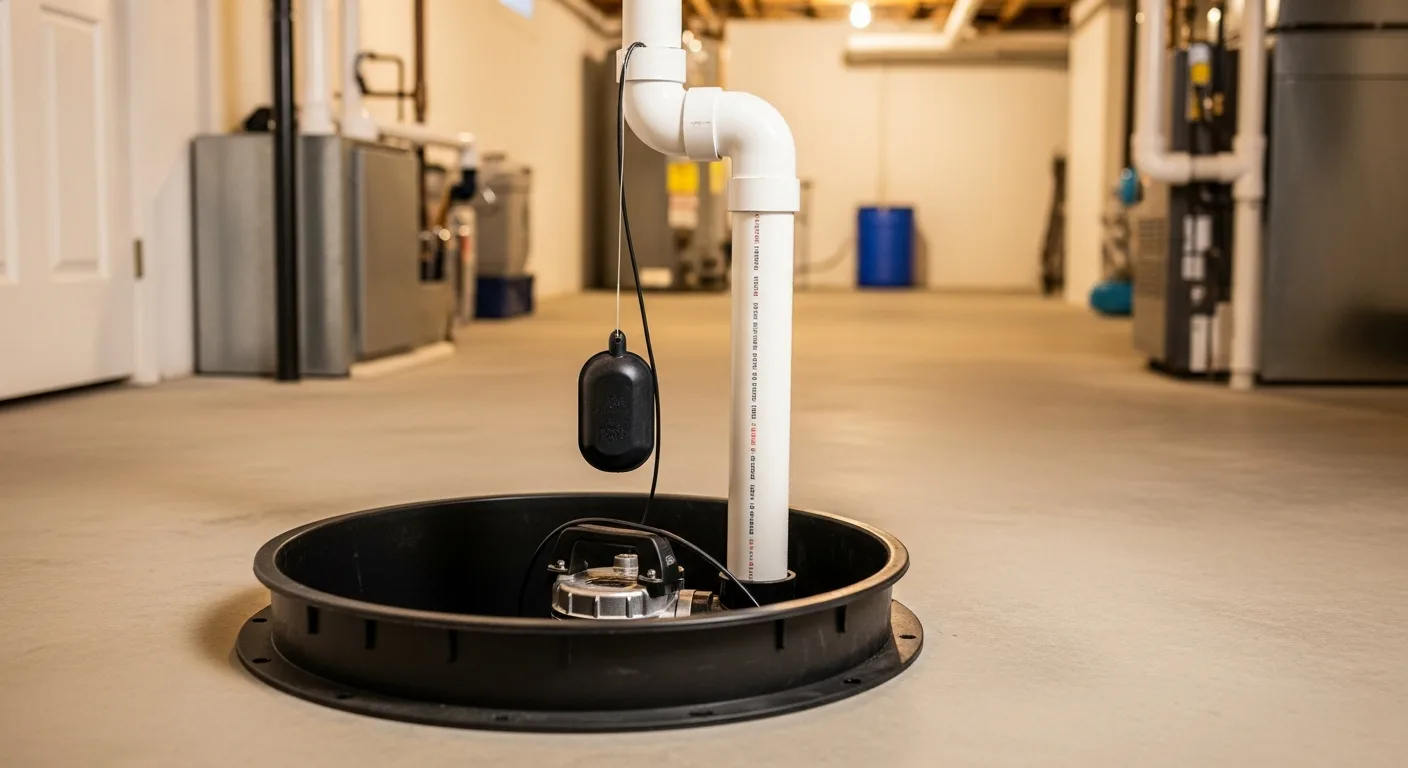
A sump pump sits in a pit (the 'sump') at the lowest point of your basement. Groundwater and rain runoff collect in that pit, and when the water rises, a float switch turns the pump on, pushing the water out through a discharge pipe to a safe distance from your foundation. When everything works, you never think about it. When it fails, water that should have been pumped away instead rises into your basement.
In Ottawa, this matters more than in many places. Spring snowmelt saturates the ground, summer brings heavy downpours, and clay-heavy soils hold water against foundations. A sump pump is the difference between a dry basement and a flooded one — which is why understanding its warning signs is so important. It's a year-round concern for homes in lower-lying and newer suburban areas like Bridlewood and Morgan's Grant. For the bigger picture on keeping basements dry, see our basement flooding prevention guide.
8 warning signs your sump pump is failing
A sump pump rarely dies silently — it usually gives you weeks or months of warning. The catch is that you have to be paying attention, because the pump lives out of sight. Watch and listen for these signs, ideally before the season you'll actually need it:
- Strange noises — grinding, rattling, gurgling, or a loud hum — point to a worn motor, a jammed impeller, or a damaged part.
- The pump runs constantly or won't shut off, often a stuck float switch or a pump that's undersized for the water coming in.
- It cycles on and off rapidly, which usually means the float is misadjusted or the pit is too small.
- Visible rust or corrosion on the pump or fittings (sometimes from iron bacteria in the water).
- Excessive vibration when it runs — frequently a bent or damaged impeller from debris.
- The pump runs but moves little or no water — a clogged intake, a failed impeller, or a discharge blockage.
- It only kicks on intermittently or not at all when the pit fills — a failing float switch or motor.
- The pump is simply old — over about 7 years — and you're seeing any of the above.
Why sump pumps fail
Most sump pump failures trace back to a handful of causes. Knowing them helps you tell a quick fix from a pump that's reached the end of its life — and helps you prevent the avoidable ones.
| Cause | What's happening | |
|---|---|---|
| Power outage | Most common during storms | The storm that floods you also knocks out power — no backup means no pump |
| Stuck float switch | Mechanical | Float jams against the pit wall or debris, so the pump won't start or won't stop |
| Clogged or frozen discharge | Blockage | Debris, or a frozen discharge line in winter, leaves water nowhere to go |
| Old age / worn motor | Wear | After 7–10 years the motor and impeller wear out |
| Wrong size | Install issue | An undersized pump can't keep up; an oversized one short-cycles and wears fast |
| Debris in the pit | Maintenance | Silt and gravel jam the impeller or float — a pit lid and cleaning prevent it |
The power-outage problem (and why you need a backup)
Here's the cruel irony of sump pumps in Ottawa: the severe storms and spring conditions that produce the most groundwater are exactly the events most likely to knock out your power. A standard sump pump is plugged into a wall outlet. No power means no pump — right when the water is rising fastest. This single scenario causes more flooded basements than any mechanical failure.
The fix is a backup system. A battery backup pump kicks in automatically when the power fails or the primary pump can't keep up, running off a deep-cycle battery for hours. A water-powered backup (where municipal water pressure is available) needs no battery at all. For a home in a flood-prone Ottawa neighbourhood, a backup is the highest-value upgrade you can make — and the City of Ottawa has historically offered grants toward protective plumbing, including sump pumps and backwater valves. It's also worth understanding how a sump pump and a backwater valve work together, since they protect against different kinds of flooding.
How long do sump pumps last?
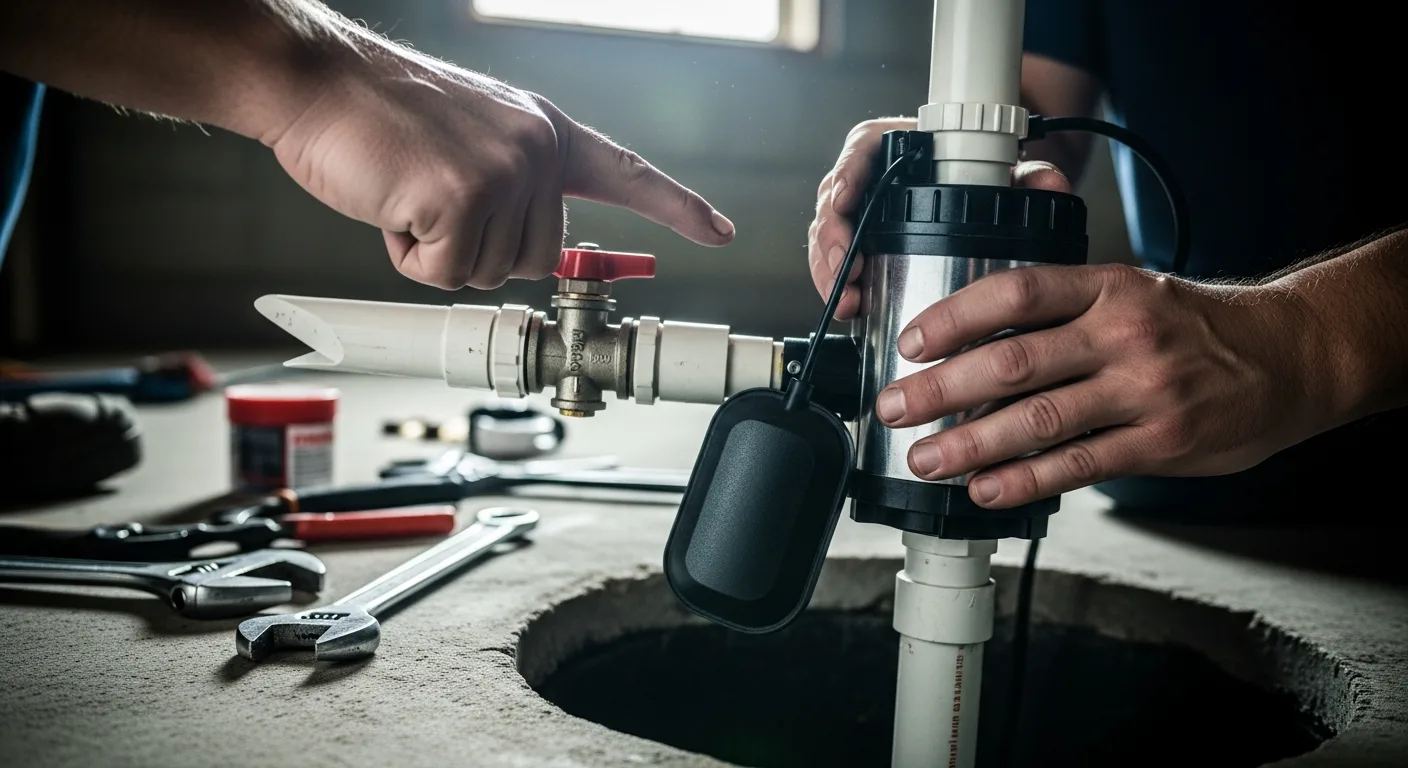
The industry average for a sump pump is about 7–10 years, but the real number depends on how often it runs, the quality of the pump, and whether it's maintained. A pump in a high-water-table home that cycles constantly will wear out faster than one that runs only during spring melt. Submersible pumps (which sit in the pit) and pedestal pumps (with the motor above the pit) have slightly different lifespans, with pedestals sometimes lasting a bit longer because the motor stays dry.
The practical rule for Ottawa homeowners: if your pump is 7+ years old, don't wait for it to fail. Replace it proactively, ideally in late winter before the spring melt, rather than discovering the problem when your basement is filling with water. A planned replacement is a routine job; an emergency one happens during a flood. Our seasonal sump pump spring prep guide covers the pre-season check in detail.
7–10 yrs
Typical sump pump lifespan
Every 3–4 mo
Recommended test frequency
Late winter
Best time to replace (before melt)
Hours
Runtime a battery backup buys you
How to test and maintain your sump pump
A few minutes of maintenance a few times a year dramatically reduces the odds of a failure when it counts. The most important habit is a simple function test, which confirms the whole system — float, motor, and discharge — actually works.
- 1
Pour water into the pit
Slowly add water (a bucket or two) until the float rises to the level that should trigger the pump.
- 2
Confirm it switches on
The pump should kick on automatically as the float rises. If it doesn't, the float or switch is the problem.
- 3
Watch it pump out
The water level in the pit should drop steadily as the pump moves water out through the discharge.
- 4
Confirm it shuts off
Once the water is low, the pump should stop on its own. A pump that keeps running has a stuck float.
- 5
Check the discharge outside
Confirm water is actually exiting the discharge pipe well away from the foundation, and the line isn't clogged or frozen.
Repair or replace your sump pump?
Some sump pump problems are quick, inexpensive fixes — clearing a clogged intake, freeing or adjusting a stuck float switch, or clearing a blocked discharge line. If the pump is relatively new and the issue is one of these, repair makes sense. But sump pumps are not expensive appliances, and the cost of a failure (a flooded basement) is enormous, so the repair-versus-replace math leans toward replacement more than it does for most plumbing.
Replace the pump when it's near or past the 7–10 year mark, when the motor or impeller has failed, when it's been undersized all along, or when you've already repaired it once. And whenever you replace, it's the ideal moment to add a battery backup. Our sump pump installation and service in Kanata covers testing, repair, proactive replacement, and backup systems sized to your basement.
- The pump is 7+ years old and showing symptoms
- The motor or impeller has failed
- It can't keep up with the water during heavy rain
- You've already repaired it at least once
- There's significant rust or corrosion
- You have no backup — replace and add one before flood season
What sump pump service and replacement cost
Sump pump work is among the most cost-effective insurance a homeowner can buy, given that the alternative is thousands of dollars in flood damage. A service visit or minor repair is inexpensive. A full pump replacement is moderate. Adding a battery backup system is an additional but worthwhile investment for flood-prone Ottawa homes — and may be partially offset by municipal protective-plumbing grants.
The most important point isn't the price — it's the timing. A planned replacement before flood season is a calm, scheduled job. An emergency replacement during a storm, with water rising, costs more and risks damage that's already done. If your pump is aging, get ahead of it.
$120–$250
Sump pump service / minor repair
$400–$900
Sump pump replacement, installed
$600–$1,500
Battery backup system added
Priceless
A dry basement during spring melt
Sources & further reading
Need a Kanata plumber?
24/7 dispatch · flat-rate pricing · local crews