Quick takeaways
- Kanata plumbing maintenance follows the seasons: winterize in fall, protect in winter, flood-proof in early spring, and tackle projects in summer.
- The fall hose disconnect is the single highest-value task on this list — it prevents the classic split-sillcock flood.
- Test your sump pump twice a year, before winter and before the melt; add a battery backup if you don't have one.
- Flush the water heater annually — Ottawa's hard water makes this matter more here than in most cities.
- Ten minutes of monthly quick checks (meter test, dye test, visual scan) catches slow leaks before they do damage.
Why a checklist beats a good memory
Plumbing maintenance fails for one reason: the tasks are easy, but the timing is everything, and nobody remembers timing. Disconnecting a hose takes two minutes in October and prevents a four-figure repair in April — but only if it happens in October. Testing a sump pump takes five minutes in February and prevents a flooded basement in March — but not if you first think of it while the pit is overflowing.
Kanata's climate sets the calendar for you: a hard freeze arrives every year, a big melt follows every winter, and Ottawa's hard water scales every water heater on the same schedule. This checklist is organized around that calendar. It applies to a 1970s side-split in Glen Cairn as much as a new build in Fairwinds — the difference is only which items deserve extra attention, which we flag as we go.
Fall (October): the winterization hour
Fall is the season that matters most, because everything on this list protects against the freeze. Do these before the first hard frost — in Kanata that means mid-October, not 'sometime before Christmas'.
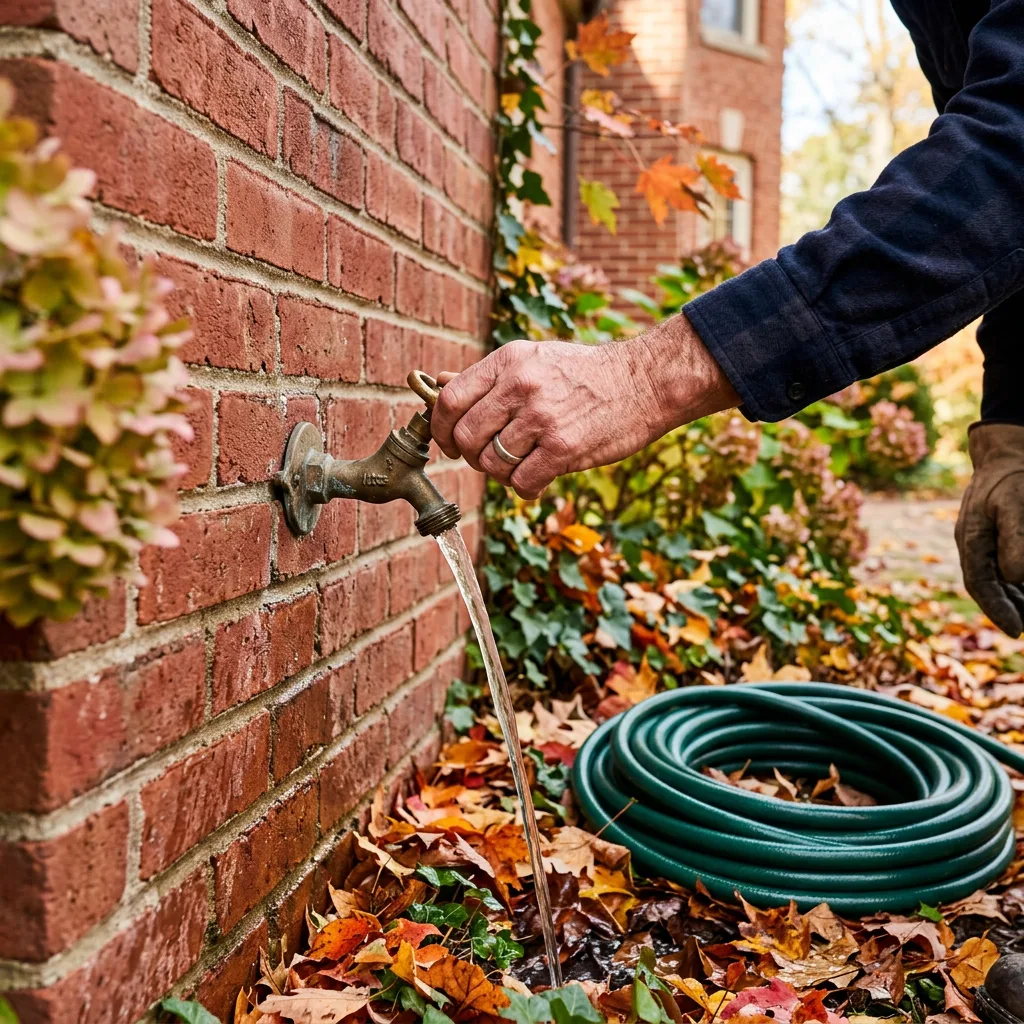
The headline task is outdoor water: disconnect and drain every garden hose, close the interior shut-off for each outdoor faucet, then open the outdoor tap to drain what's left in the line. A connected hose traps water in the sillcock, and that water freezes and splits the pipe inside your wall — the most preventable flood in Canadian plumbing. Our outdoor faucet winterization guide has the step-by-step.
- Disconnect, drain and store all garden hoses
- Close interior shut-offs for outdoor faucets; open outdoor taps to drain
- Test the main water shut-off valve — it should turn easily and fully
- Test the sump pump with a bucket of water; check the battery backup
- Inspect exposed pipes in the garage, crawl space and rim joists; insulate any on exterior walls
- Check supply hoses on the washing machine and dishwasher for bulges or corrosion
- Have the furnace humidifier line and drain checked while servicing the furnace
Winter (December–February): protect and monitor
Winter maintenance is mostly vigilance. During cold snaps of -20°C and below, open vanity and kitchen cabinet doors on exterior walls so warm air reaches the supply lines, and let a known-vulnerable tap drip pencil-thin — moving water resists freezing, and the open tap relieves pressure if an ice plug forms. If you leave for vacation, keep the house at 15°C or warmer, and ideally shut the main and drain the system entirely; our winter plumbing guide covers the away-from-home routine.
Know the early signs of a freezing pipe: one fixture slows to a trickle while everything else runs fine. Caught at that stage — gentle heat, cabinet doors open, tap open — you can often thaw it before it splits. Never use an open flame. If you get no water at all at a fixture during a deep freeze, treat it as urgent; the frozen pipes guide covers what to do hour by hour.
Early spring (March–April): flood season prep
The Kanata melt is the sump pump's championship season — weeks of snowmelt plus spring rain, all arriving at your foundation at once. Before it starts, test the pump again: pour a bucket of water into the pit, watch it start, drain, and stop. Check that the discharge line outside is clear of ice and snow and directs water well away from the foundation, and confirm the battery backup holds a charge — the biggest storms and the power outages travel together.
This is also the season to walk the house looking for winter damage: water stains on ceilings below bathrooms, white mineral crust at pipe joints, corrosion at the water heater's fittings, and any drip that appeared over winter. Homes in lower-lying areas — parts of Katimavik and Bridlewood among them — should also consider a backwater valve if sewer backup has ever been an issue nearby; our spring checklist and basement flooding prevention guide go deeper.
Summer (June–August): projects and deep maintenance
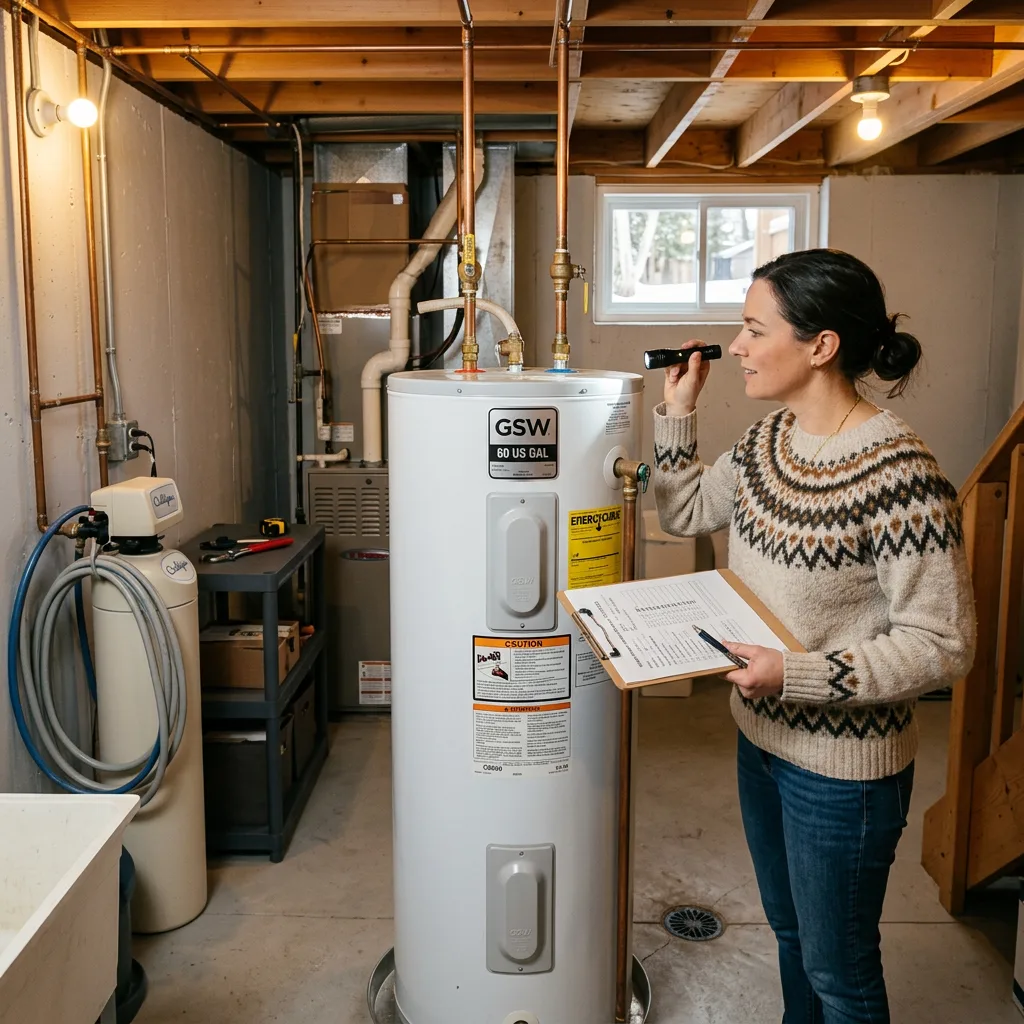
Summer is when you fix things on your schedule instead of the weather's. The most valuable annual task is flushing the water heater: draining several litres from the tank valve carries out the sediment that Ottawa's hard water deposits all year. Sediment forces the burner to heat through a layer of scale — that's the rumbling sound older tanks make — and it shortens tank life significantly. While you're there, test the temperature-pressure relief valve and check the anode rod every few years; our water heater maintenance guide covers tankless units, which need an annual descale here for the same reason.
Summer is also the season for the bigger decisions: replacing the water heater that's past ten years before it fails in January, dealing with Poly-B piping on your insurer's timeline instead of a flood's, adding a water softener, or booking a camera inspection of an older sewer lateral. Every one of these is cheaper and calmer as a planned summer project than as a winter emergency.
- 1
Turn it down
Set a gas heater to pilot or switch an electric one off at the breaker; let the water cool for a couple of hours.
- 2
Connect a hose
Attach a garden hose to the drain valve at the tank's base and run it to a floor drain.
- 3
Drain several litres
Open the valve and drain until the water runs clear instead of cloudy with sediment.
- 4
Flush if needed
For heavy sediment, close the cold inlet, drain fully, then open the inlet in bursts to stir and flush the remainder.
- 5
Restore and check
Close the valve, refill with a hot tap open until air clears, then restore power/gas and check for drips.
The monthly 10-minute quick check
Between seasonal rounds, a short monthly habit catches the slow problems — the ones that don't announce themselves until the bill or the ceiling stain arrives. None of this needs tools: it's a meter reading, a look, and a listen.
The meter test is the anchor: with every tap and appliance off, your water meter should be perfectly still. If it moves, something is leaking, and our hidden water leak guide walks you through finding it. Pair that with a food-colouring dye test in each toilet tank every couple of months — the running toilet is the most common silent water-waster in any home.
- Meter test: all water off — the meter and leak dial should be still
- Look under every sink for moisture, corrosion or mineral crust
- Glance at the water heater base for pooling or rust
- Listen for toilets refilling when nobody has flushed
- Check water pressure hasn't noticeably dropped at showers and taps
- Pour water into rarely used floor drains to keep the traps sealed
What to DIY and what to book
Everything above is homeowner-level: valves, buckets, hoses, dye tablets, and attention. The professional side of the calendar is short but important — the jobs where the equipment, the gas connection, or the consequence of a mistake put them out of DIY range.
Book a professional for: an annual or biennial main-drain cleaning if your home has mature trees over an older lateral, a water heater service if the flush turns up heavy rust or the tank is past ten years, any main shut-off valve that's seized or weeping, sump pump replacement at the ten-year mark, and a camera inspection before buying or renovating an older home. If you'd rather hand the whole routine over, our plumbing services in Kanata cover all of it, and for homes across the broader region, the plumbing maintenance team at Plumbing Now runs scheduled preventative programs — the professional Ottawa plumbers we point readers to beyond our Kanata service area.
| Do it yourself | Book a professional | |
|---|---|---|
| Hose disconnect & faucet draining | Yes — 10 minutes each fall | |
| Sump pump bucket test | Yes — twice a year | Replacement at ~10 years |
| Water heater flush | Yes, with care | If heavy rust, gas issues, or 10+ years old |
| Meter & dye tests | Yes — monthly | Leak detection if the meter won't sit still |
| Main shut-off valve | Test it | Replace it if seized or weeping |
| Sewer lateral | Watch for warning signs | Camera inspection & cleaning |
Sources & further reading
Need a Kanata plumber?
24/7 dispatch · flat-rate pricing · local crews