
Quick takeaways
- One slow fixture often points to a local clog; several affected fixtures or repeated backups may need broader diagnosis.
- Avoid chemical drain openers and do not open a cleanout if sewage is backing up.
- A camera inspection can help locate visible defects, but the plumber must explain what the image does—and does not—prove.
- Ottawa divides water and sewer service-line responsibilities between the City and the property owner; confirm the location before planning work.
Drain cleaning and drain repair solve different problems
Drain cleaning removes an obstruction or buildup from a pipe that is still capable of carrying wastewater. Drain repair addresses a physical defect such as a crack, separated joint, crushed section, severe corrosion, or a pipe that has shifted. The symptoms can overlap: a damaged pipe can catch debris, and a blockage can cause a backup without any structural failure.
That distinction matters because another cleaning may restore flow temporarily while leaving the underlying defect untouched. Conversely, a slow sink caused by hair or grease does not automatically justify replacing pipe. Start with the location and pattern: one fixture, several fixtures, or the whole home? Note when it happens, whether the problem returns, and whether there are noises or odours. Those observations help the plumber select a proportionate test.
| More consistent with a clog | Worth checking for pipe damage | |
|---|---|---|
| Where | One fixture drains slowly | Several fixtures act up together |
| Pattern | Improves after clearing | Returns quickly or keeps recurring |
| Other clues | Local debris or grease | Persistent odour, gurgling, dampness, or settlement |
Clues that call for a closer look
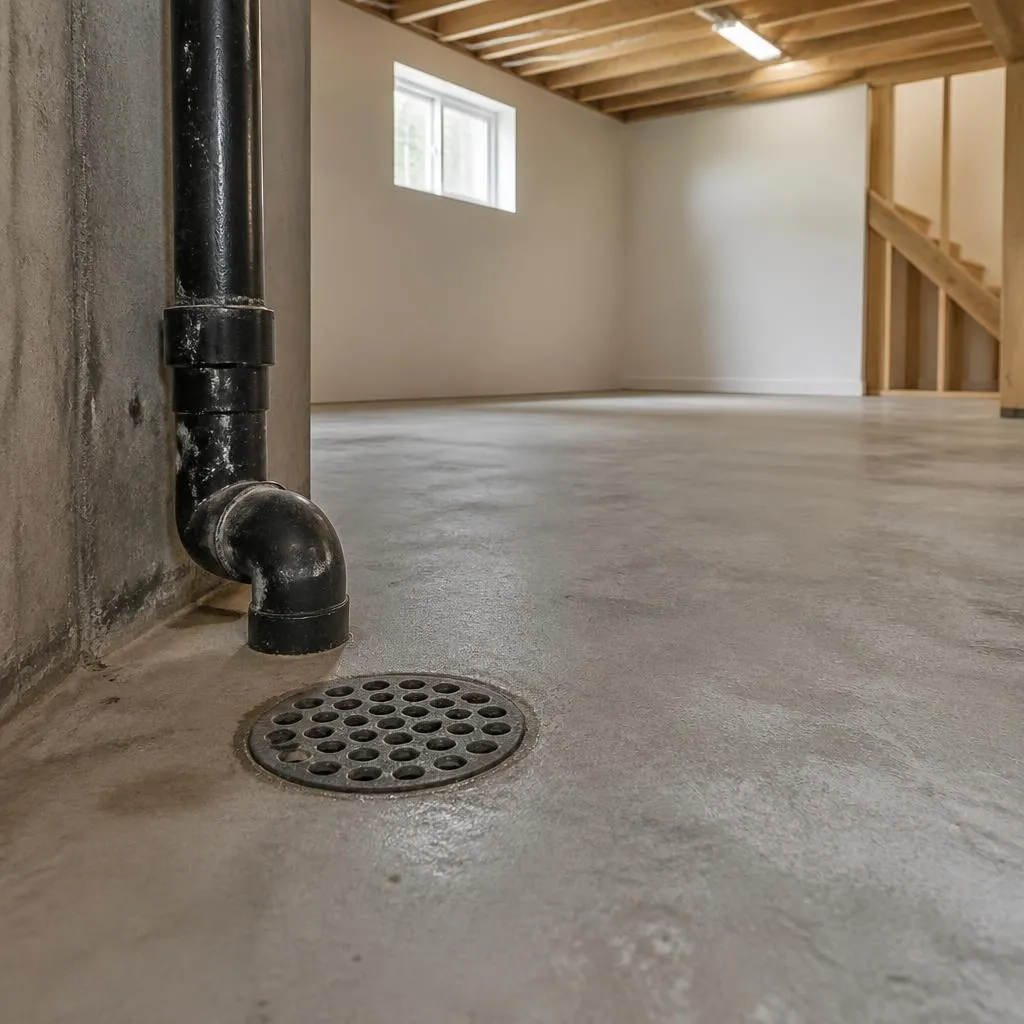
A single slow basin or tub is often a local issue, but do not diagnose from one symptom alone. If toilets, floor drains, showers, or sinks change at the same time, the affected section may be farther downstream. A backup at a lower-level fixture while an upstairs fixture drains is especially important to describe. Stop using water if wastewater is rising or entering the home.
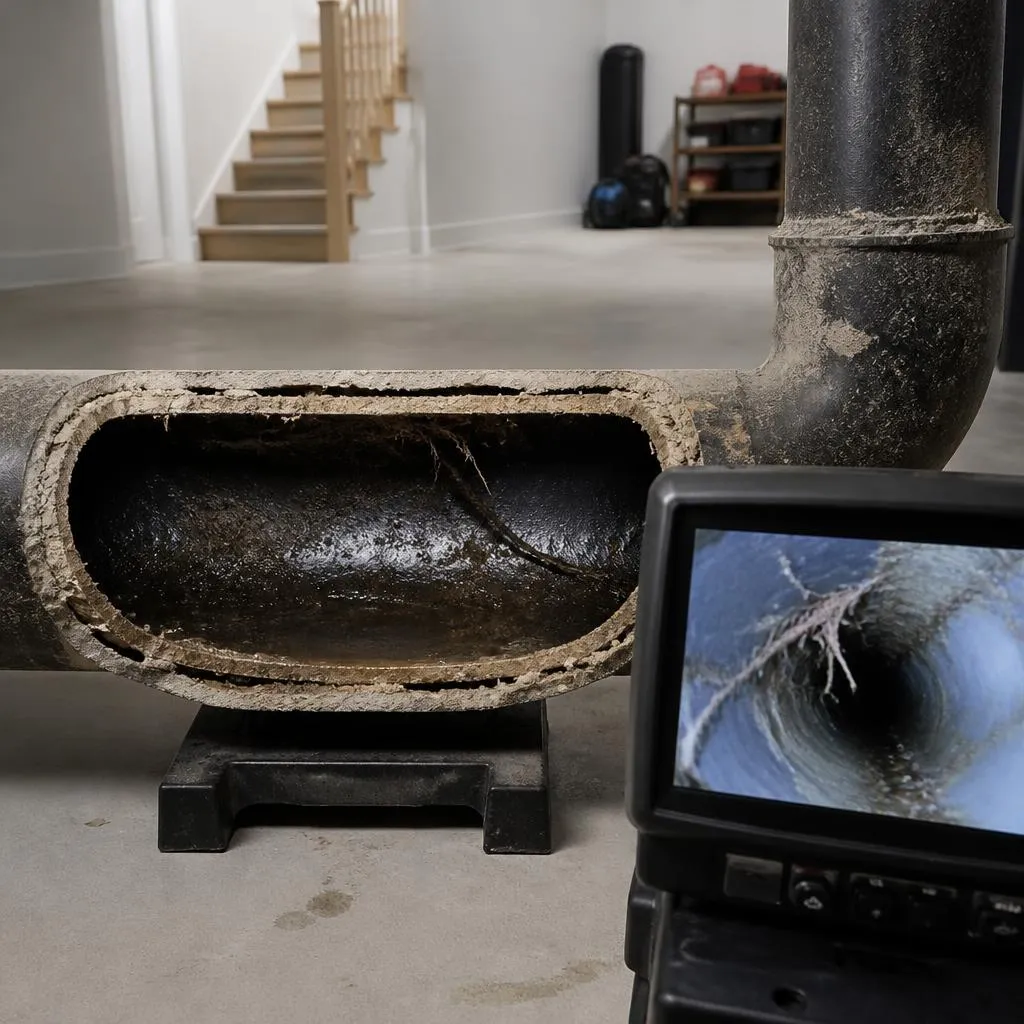
Repeated clogs at the same spot, a blockage that returns soon after professional clearing, or a camera report describing a break, offset joint, root intrusion, or standing water are reasons to ask whether repair is appropriate. A sewer smell can have several causes, including a dry trap or venting issue, so it is not proof of a broken sewer pipe. Look for corroborating signs and request a clear diagnosis.
- Write down which fixtures are affected and whether they fail together.
- Take a photo of visible water, staining, or a cleanout location; avoid entering standing water.
- Tell the plumber about recent renovations, tree work, or previous drain clearing if known.
Ottawa winters: note cold-weather changes without guessing
Winter conditions can complicate plumbing symptoms. An exposed or poorly protected pipe in an unheated area may be vulnerable to freezing, while snow and frost can make exterior access harder. A frozen or partially frozen section is not the same diagnosis as a broken sewer lateral. Tell the plumber when the symptom began, whether it followed a cold snap, and whether the affected section is near an unheated garage, crawlspace, or exterior wall.
If a drain stops working during cold weather, avoid pouring boiling water or chemicals into it. Do not use an open flame or improvised heat source. If a water supply line is also frozen, or you see active water escape, use the safe main shut-off if you can reach it and arrange prompt help. For cold-weather supply-line prevention, see the Kanata frozen-pipe prevention guide.
- Outdoor temperature and when the trouble started
- Fixtures affected, in order of first symptom
- Any water, odour, gurgling, or visible frost
- Whether the area is heated and accessible
What a drain camera inspection can establish
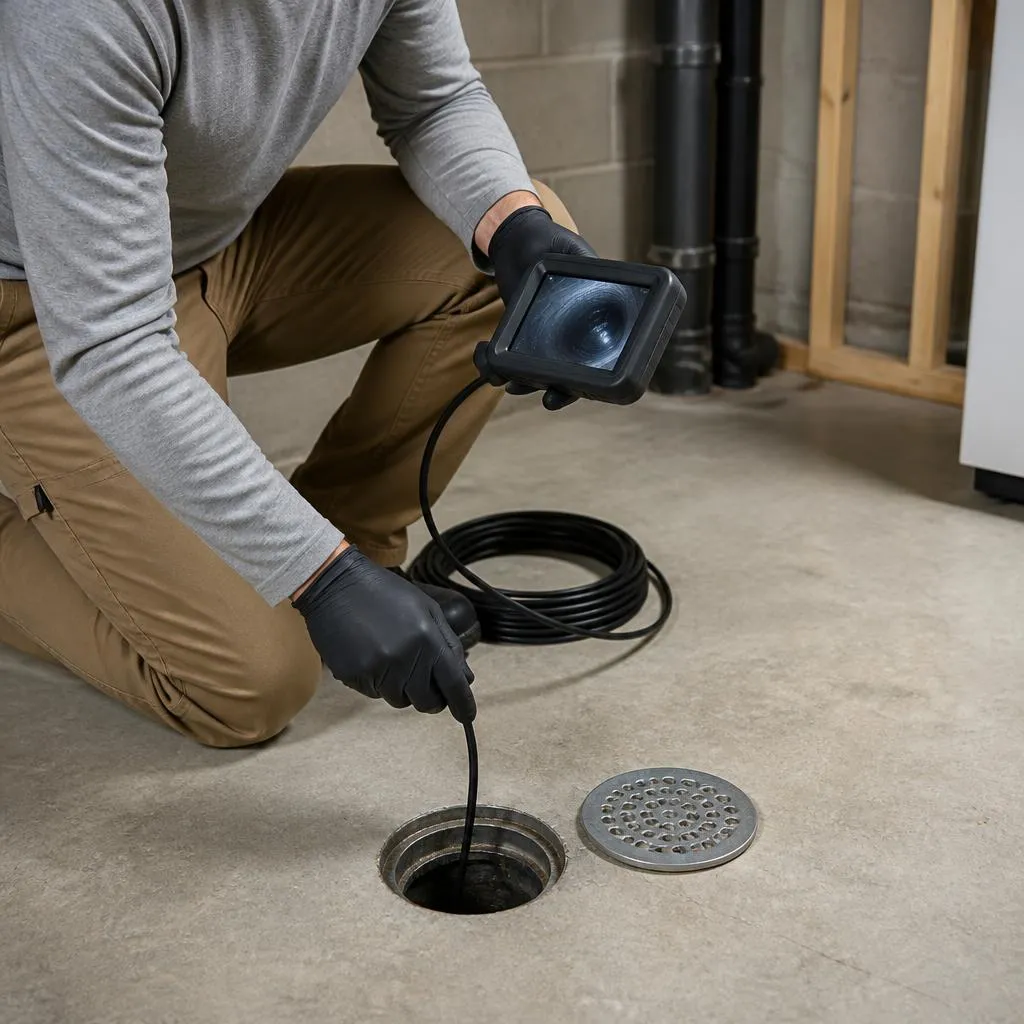
A plumber may recommend a camera inspection when symptoms suggest a main drain or sewer issue, when a blockage keeps returning, or when the cause is not clear after basic checks. The camera travels through an accessible drain and can show visible conditions along the route. Ask for the recorded distance, approximate location, the direction of travel, and a plain-language explanation of the image. A still frame without context can be difficult for a homeowner to interpret.
A camera is a diagnostic aid, not a promise that every hidden condition has been found. Access, water, debris, bends, pipe material, and the camera head's path can affect what is visible. Ask whether the line was cleaned first, whether the camera reached the municipal connection, and what portion could not be inspected. An inspection may identify a defect, but a repair scope should also explain how the finding relates to the symptoms.
Repair options depend on the pipe, location, and access
A localized defect in an accessible section may be repairable without replacing an entire line. A longer deteriorated run, multiple defects, a collapsed section, or a line with poor slope may lead to a broader replacement discussion. Some contractors offer trenchless methods for suitable pipe conditions and access; these are not appropriate for every material, bend, depth, or failure. Ask the contractor to explain why the proposed approach fits this specific line.
Before work begins, request a written scope with the diagnosed location, the work area, the repair method, expected access or excavation, testing after repair, cleanup, and any restoration excluded from the quote. Ask whether a permit or inspection applies to the proposed work. If the drain only needs blockage removal, Ottawa drain cleaning and sewer service may be the relevant service rather than pipe replacement. Do not accept a recommendation for full-line replacement without understanding the evidence and alternatives.
- 1
Describe the pattern
Identify fixtures, timing, prior clearing, and any backup or leak.
- 2
Inspect the right section
Use accessible tests or a camera when the symptoms justify it.
- 3
Compare options
Relate each repair method to the defect, access, and limits.
- 4
Verify the result
Confirm flow and document the repaired area before closing access.
Who is responsible for a sewer service line in Ottawa?
The City of Ottawa describes shared responsibility for water and sewer service lines. In general, the City maintains the public portion to the property line, while the property owner is responsible for the private portion between the property line and the home. The exact location of a defect matters, and a plumber's camera distance alone may not precisely establish the property boundary or ownership.
Before arranging excavation or assuming the cost, check the City's current water and sewer service-line responsibility guidance. Ask the City how to report a suspected public-side issue and ask your insurer or warranty provider whether service-line coverage applies. Keep the inspection recording, written diagnosis, and any correspondence with the City.
Questions to ask before approving drain repair
A useful estimate separates diagnosis from repair and identifies what evidence supports the recommendation. Ask whether the problem is a blockage, a visible defect, or both; what exact section is affected; what alternatives exist; and what risks remain if you defer. If a camera inspection is included, ask whether you will receive the recording or still images and how the location will be described.
For comparison, request the repair method, access plan, permit and inspection responsibilities where applicable, testing, cleanup, warranty terms, and restoration exclusions in writing. An honest answer can include uncertainty—for example, a camera may not show the full pipe or excavation may reveal additional damage. If several fixtures are backing up or wastewater is entering the home, stop using affected plumbing and seek urgent help rather than continuing to test it.
A practical next step for Ottawa homeowners
If there is no active backup, record the pattern and arrange an assessment that begins with the least invasive useful check. For a sudden backup, sewage at a floor drain, or a leak near electrical equipment, prioritize safety and stop using water in the affected area. The Ottawa sewer-backup prevention guide covers immediate precautions, while drain cleaning warning signs explains when recurring symptoms deserve attention.
A nearby local context can help organize a service request: homes in Glen Cairn and across Ottawa-west have different layouts, renovations, and pipe access. Age or neighbourhood is not a diagnosis. For another contractor's service option, review professional drain cleaning in Ottawa and compare the written scope, inspection evidence, and proposed method before proceeding.
If you are buying a home and want a broader walkthrough, use the Ottawa homebuyer plumbing checklist to prepare questions about visible fixtures, the basement, and service records.
Sources & further reading
Need a Kanata plumber?
24/7 dispatch · flat-rate pricing · local crews